Why Visual Content Is the Real Facebook Trend in 2026
Facebook is over 20 years old, yet it remains the most-used social platform on the planet with roughly 3 billion monthly active users. But the way brands win attention on Facebook in 2026 looks nothing like it did five years ago. The battleground has shifted decisively toward visual content: short video, scroll-stopping images, and AI-assisted creative.
This guide breaks down the 9 Facebook image and visual content trends shaping 2026, and gives you a free, copy-ready Facebook image size cheat sheet you can bookmark. Whether you are a marketer, creator, or small business owner, these are the visual shifts worth building your strategy around.
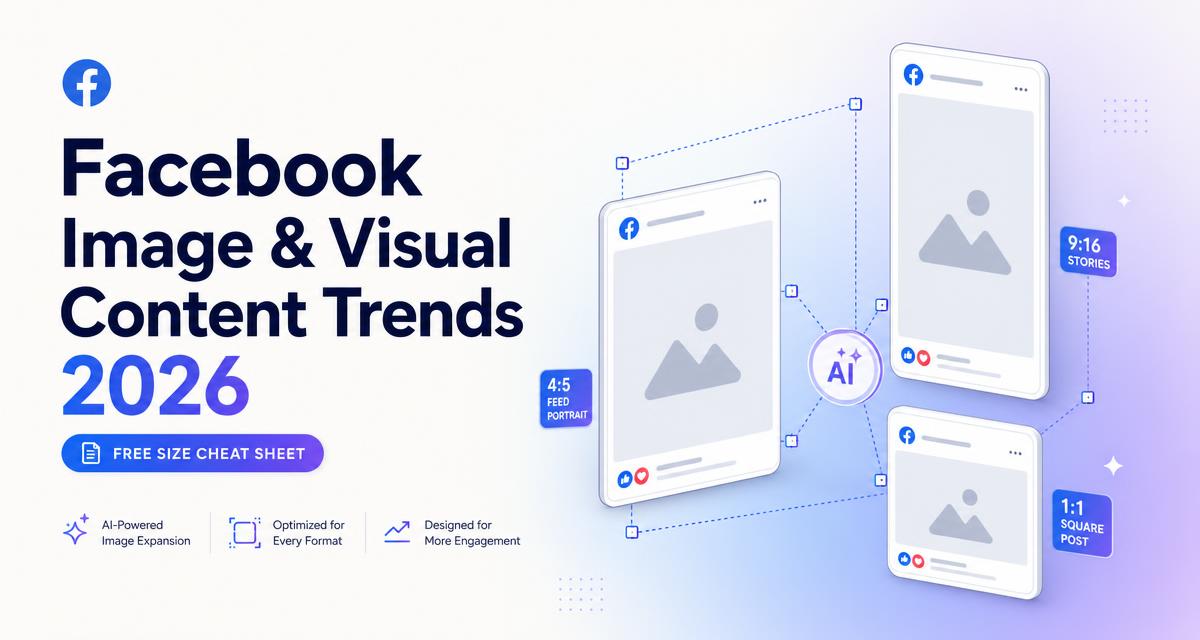
Before the list, here is the context that makes all of this matter:
- Facebook still reaches around 3.07 billion monthly active users, keeping it the largest social platform in the world. (Statista, 2026)
- Video and image posts consistently outperform text-only posts for reach and engagement.
- Short-form vertical video (Reels) is the fastest-growing format on the platform.
- With the rise of AI-driven feeds, the single biggest ranking factor you control is creative quality.
In other words: on Facebook in 2026, your image is your strategy. Let's dig in.
The 9 Facebook Visual Content Trends to Watch
1. Vertical, Full-Screen Imagery Is Now the Default
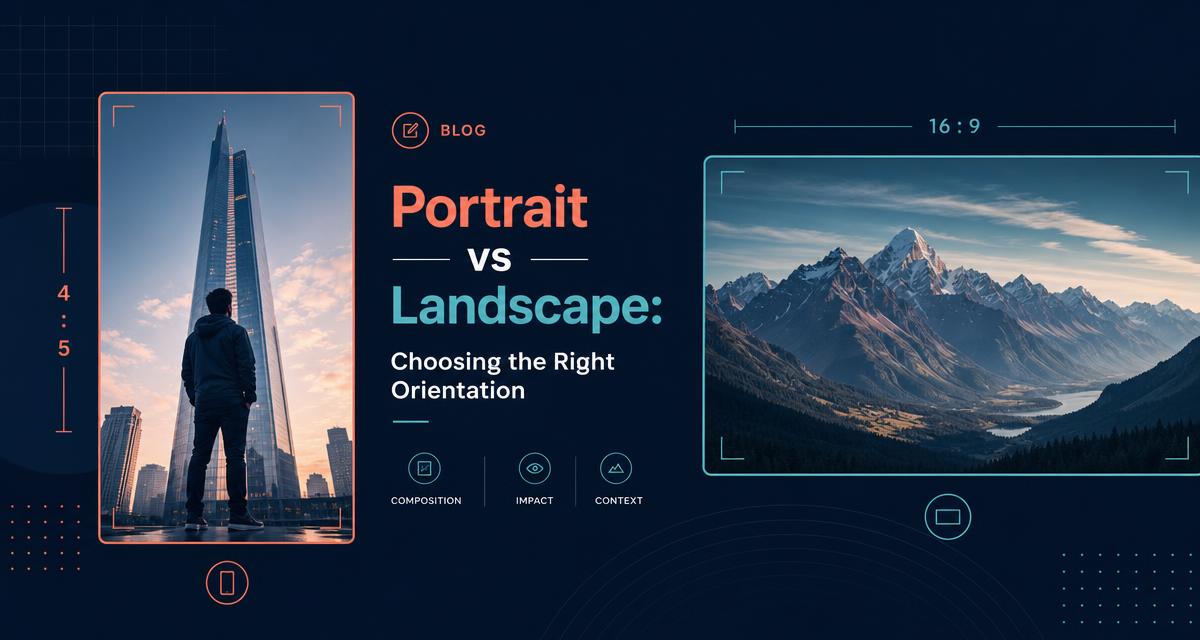
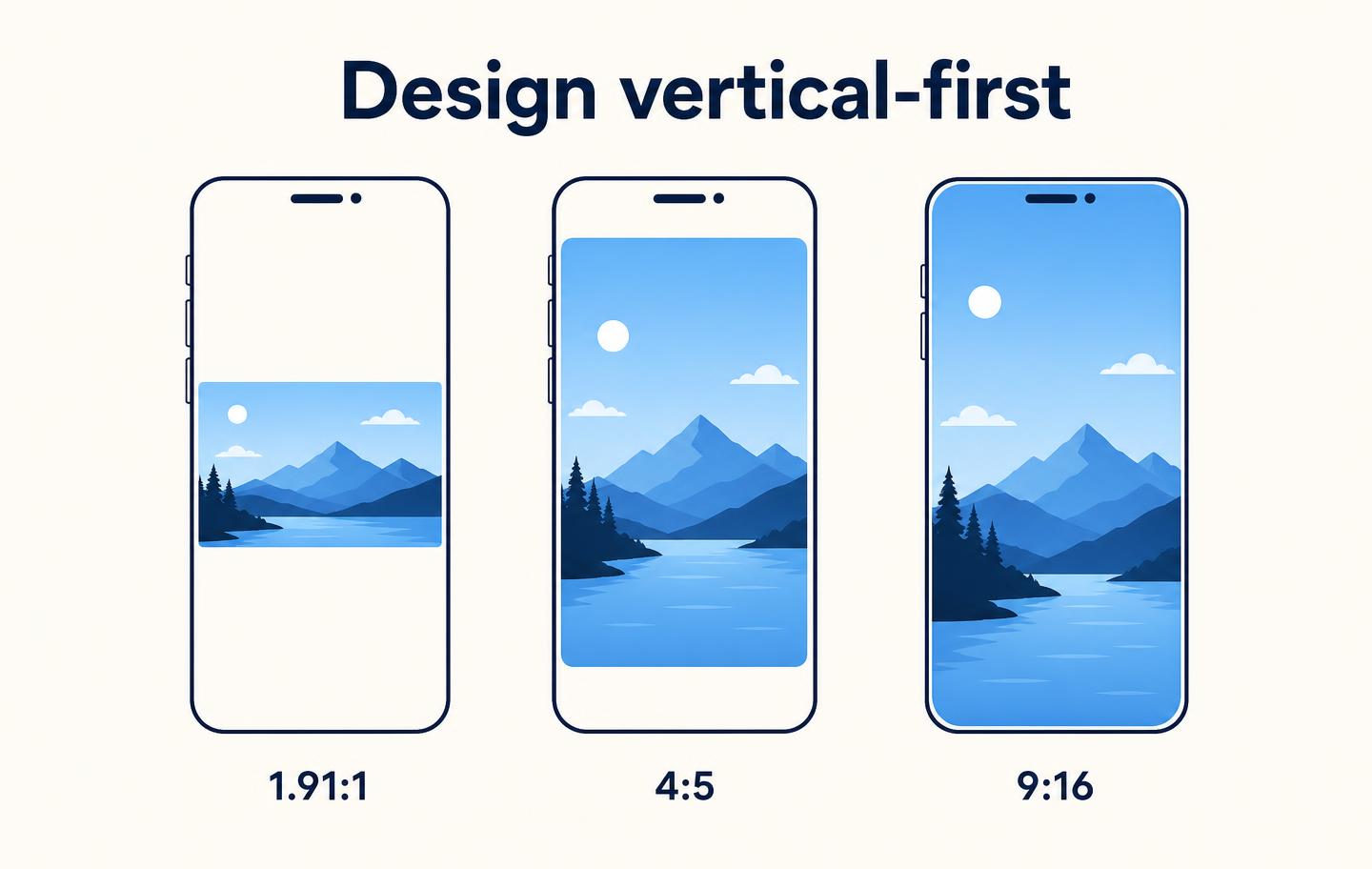
Facebook's feed and Reels increasingly favor tall, vertical formats that fill the mobile screen. Designing for 4:5 and 9:16 first, rather than cropping down from landscape, gives your content more real estate and stops the scroll.
2. AI-Assisted and AI-Expanded Creative
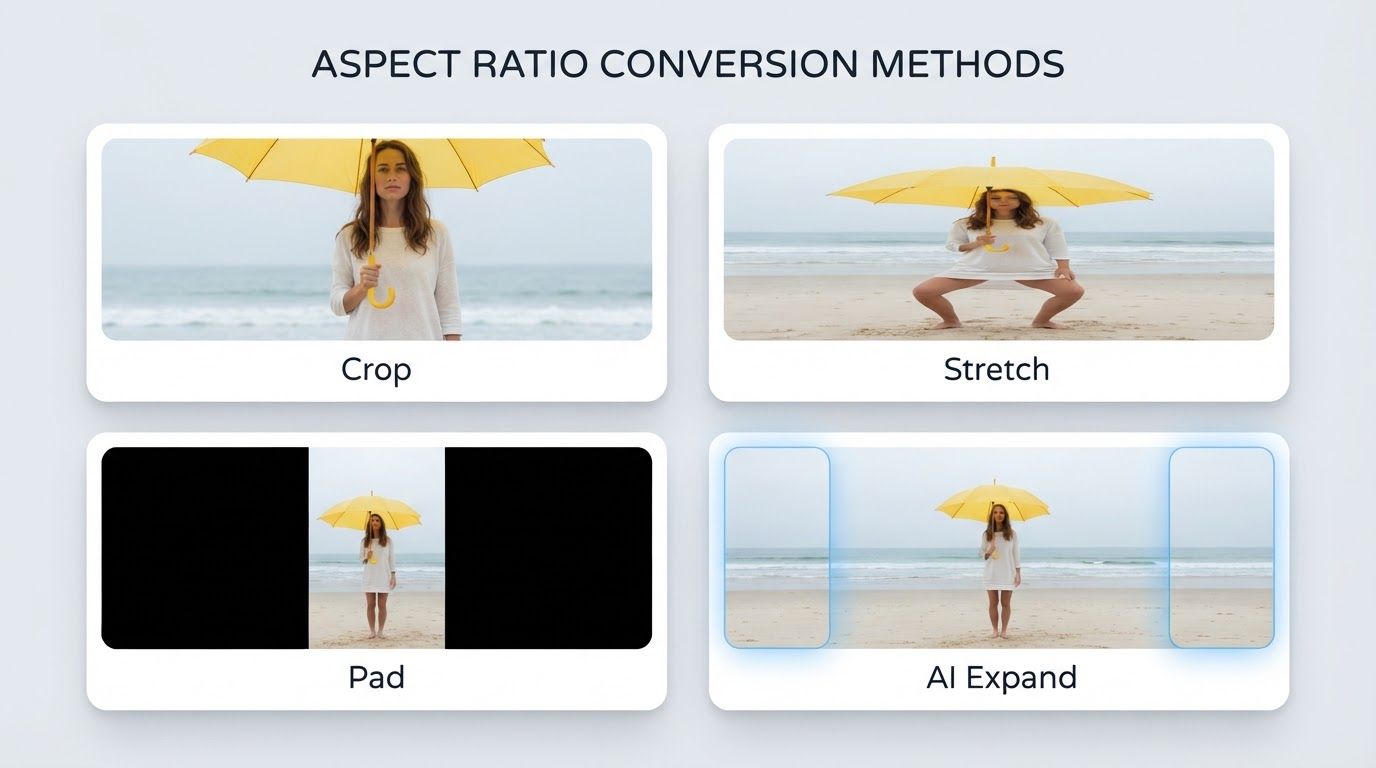
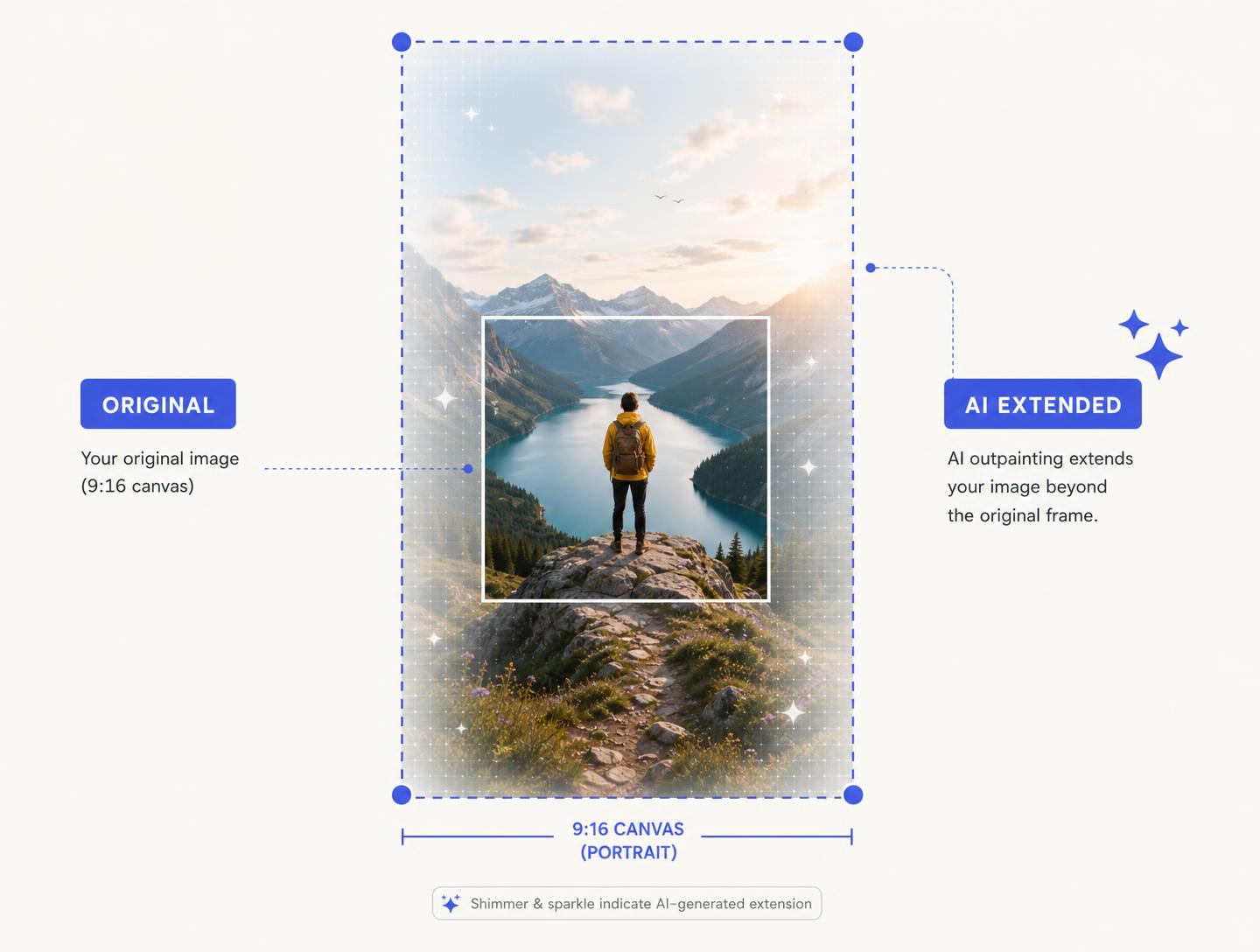
Marketers are using AI tools to generate, retouch, and resize images at scale. One of the biggest time-savers is outpainting, or AI image extension—the technique behind tools like PixExtender—which grows an existing image to fit a new aspect ratio without awkward cropping or stretching. This lets a single hero image become a feed post, a Reel cover, and a Story without reshooting.
3. Authentic, Unpolished Visuals Over Stock
Overly polished stock imagery is losing ground to authentic, real-world photos and creator-style content that feels native to the feed.
4. Bold Text Overlays and Readable Typography
With sound-off browsing still common, clear on-image text and captions keep your message legible even when muted.

5. Consistent Brand Color Systems
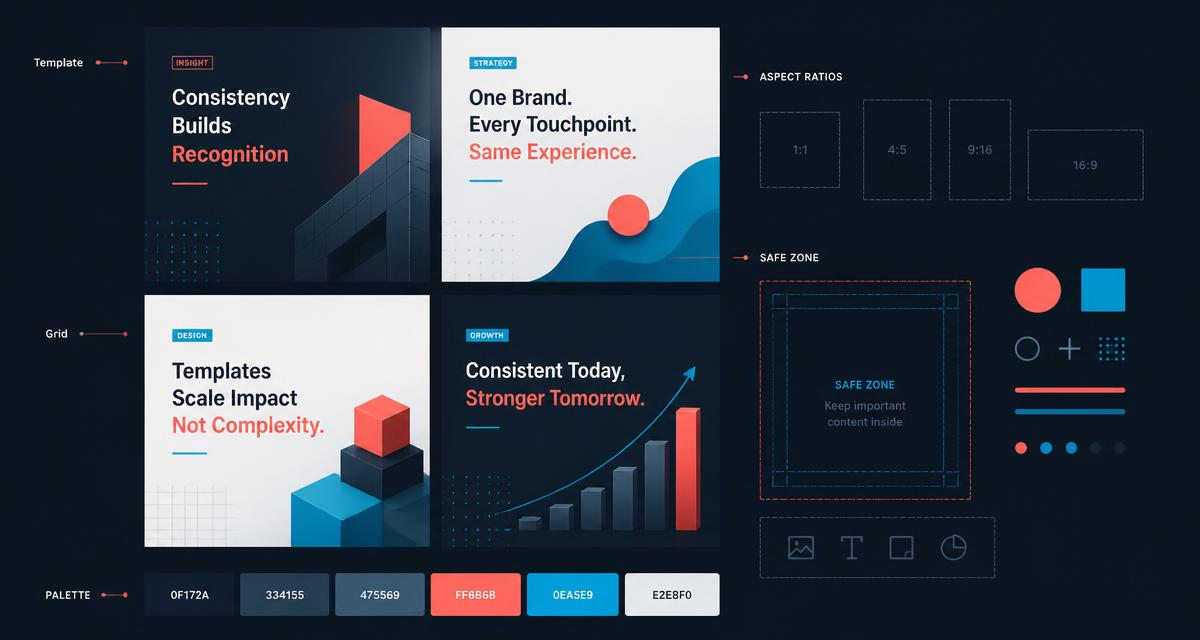
Recognizable, repeated color palettes help brands build instant recognition as users scroll quickly.
6. Carousels for Storytelling
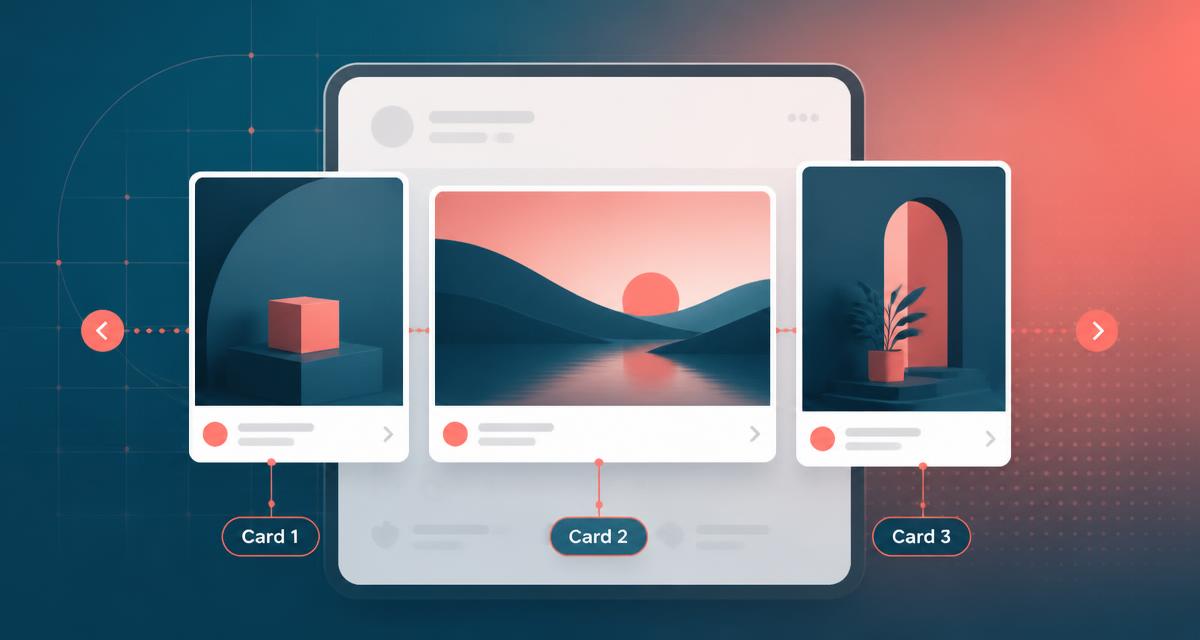
Multi-image carousels drive longer engagement by letting brands tell a sequential story in a single post.
7. Motion and Micro-Video Everywhere
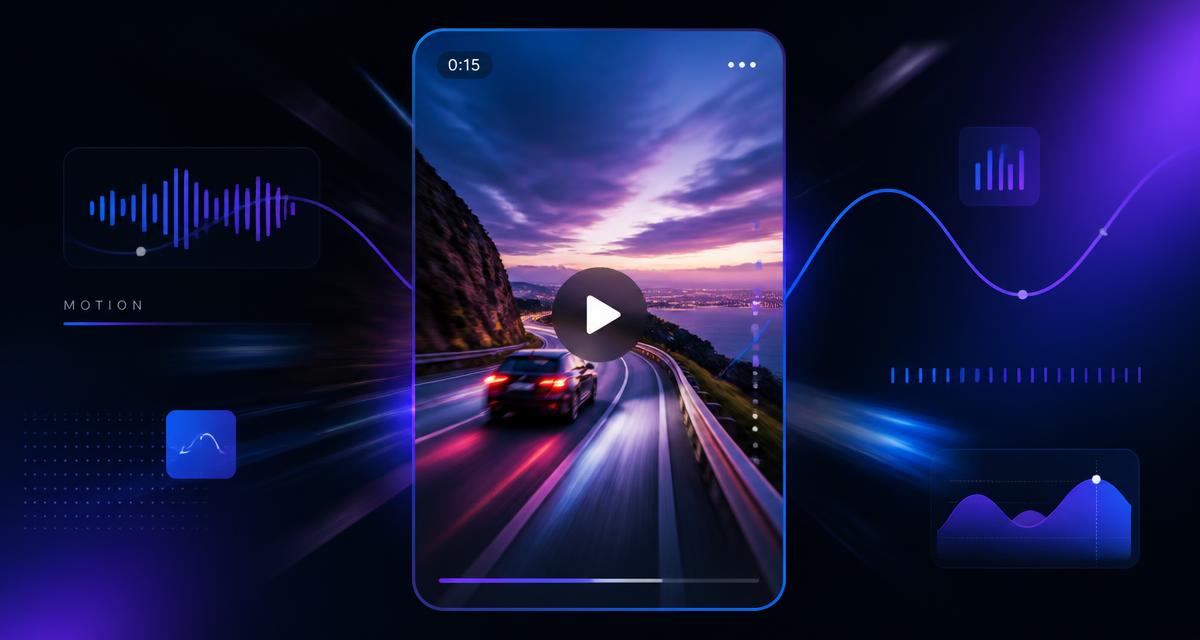
Even static concepts are being turned into short, looping motion graphics to earn more reach in a video-first feed.
8. Accessibility-First Design
Alt text, high color contrast, and readable font sizes are becoming standard, both for inclusion and for reach.
9. Placement-Optimized Creative
Instead of one image for everything, top performers resize each asset per placement—feed, Reels, Stories, and ads—so nothing is cropped or letterboxed.
Free Facebook Image Size Cheat Sheet (2026)
Bookmark this table. These specs reflect Meta's current guidance; always upload the highest resolution available within each aspect ratio.

| Placement | Recommended size (px) | Aspect ratio |
|---|---|---|
| Feed image post | 1440 x 1800 | 4:5 |
| Shared link image | 1200 x 630 | 1.91:1 |
| Stories | 1080 x 1920 | 9:16 |
| Reels cover | 1080 x 1920 | 9:16 |
| Ad image (feed) | 1080 x 1080 or 1440 x 1440 | 1:1 |
| Profile picture | 320 x 320 | 1:1 |
| Cover photo (desktop) | 820 x 312 (overview) | approx. 2.6:1 |
Need the full breakdown of Facebook cover photo dimensions, safe zones, and mobile cropping? See our complete Facebook cover photo size guide.
Pro tip: If you only have one image but need it in several formats, use an AI image extender to expand it to each aspect ratio instead of cropping. With PixExtender you can take a single photo and generate feed, Reels, and Story versions in seconds—no reshoot and no lost detail.
Conclusion
Facebook in 2026 rewards brands that treat visual quality as strategy, not decoration. Design vertical-first, keep your creative authentic and on-brand, and resize each asset to its placement instead of forcing one image everywhere. Start with the cheat sheet above, and let AI handle the repetitive resizing so you can focus on the ideas.
Related reading: for the exact dimensions, safe zones, and mobile cropping rules for one of the trickiest placements, see our complete Facebook cover photo size guide.